Tycoons Launch Competing Bids for Major Casino Operators in 2026
Written by Clara Keller · Jun 7, 2026

Tycoons Launch Competing Bids for Major Casino Operators in 2026
News of two major deals broke in rapid succession during late May 2026, when hospitality executive Tilman Fertitta revealed plans on May 28 to purchase Caesars Entertainment for $17.6 billion, and Barry Diller followed four days later with an offer exceeding $18 billion for MGM Resorts International. These announcements highlight active investor engagement in the domestic casino market, where operators manage extensive resort portfolios across multiple states.
Caesars Entertainment operates more than fifty casino resorts, while MGM Resorts maintains a comparable footprint that includes prominent properties in Las Vegas and other gaming destinations. The proposed transactions would transfer control of these large-scale assets to new ownership groups, a shift observers attribute to expectations of renewed growth in visitor spending and gaming revenue.
Details of the Proposed Transactions
Fertitta's agreement targets the full Caesars portfolio through a structured purchase that includes both cash and equity components, subject to regulatory approvals from state gaming commissions. Diller's competing offer for MGM Resorts values the company above the $18 billion threshold and comes from his ownership vehicle, People Inc., which brings additional media and hospitality holdings into the equation. Both bids emerged within days of each other, creating an environment where shareholders evaluate competing valuations and strategic visions for future operations.
State regulatory bodies such as the Nevada Gaming Control Board will review each transaction for compliance with licensing standards, a process that typically spans several months and includes background checks plus financial assessments. The timing places these reviews amid broader industry data showing increased attendance figures at major properties during the first half of 2026.
Market Context and Consolidation Trends
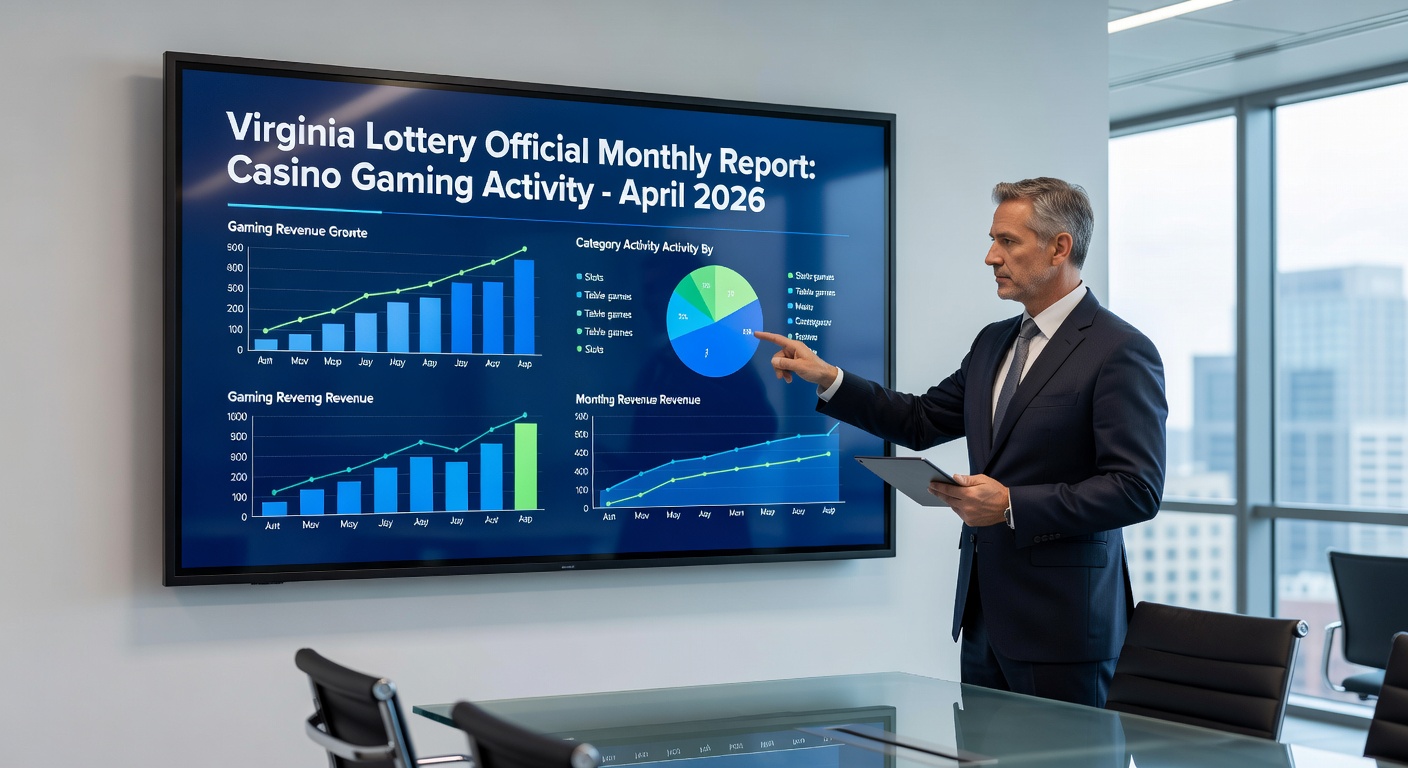
Industry reports from the American Gaming Association indicate that total U.S. gaming revenue reached record levels in recent quarters, driven by expanded sports betting options and resort amenities that attract both domestic and international visitors. This environment has encouraged private equity and individual investors to pursue larger positions in established operators, accelerating a pattern of ownership concentration that began after the pandemic recovery period.
Analysts tracking public filings note that both Caesars and MGM have invested heavily in digital platforms and non-gaming attractions, factors that likely factored into the bid valuations. The rapid sequence of announcements underscores how market participants view scale as an advantage when competing for convention business and high-value clientele across regional markets.
Investor Activity and Sector Outlook
Barry Diller's move through People Inc. extends his existing interests in media and travel sectors into physical gaming assets, while Fertitta's background in restaurant and hospitality operations aligns with Caesars' integrated resort model. These profiles illustrate how bidders from adjacent industries see synergies in combining entertainment, lodging, and gaming under unified management structures.
Data compiled by university research centers, including studies from the University of Nevada, Las Vegas, shows steady growth in capital expenditures by casino companies on technology upgrades and property renovations. Such investments support projections of continued revenue expansion through 2027, even as operators navigate evolving regulatory frameworks in newer markets like online gaming.
Shareholder responses to the initial announcements have included standard trading activity, with analysts monitoring how competing offers might influence final sale prices or alternative strategic partnerships. Regulatory timelines suggest that any completed transactions would likely close in early 2027, allowing time for required approvals across jurisdictions where the properties operate.
Conclusion
The May 2026 announcements by Fertitta and Diller represent parallel efforts to secure major positions in the U.S. casino industry at a moment when revenue indicators point toward sustained expansion. As reviews proceed through state agencies and market participants assess the implications, these bids illustrate ongoing consolidation dynamics within a sector that continues to attract significant capital from established business figures. Further developments through the summer months will clarify the outcomes and their effects on the broader competitive landscape.