Regulatory Standards Shape Bonus Claim Processes in Licensed Gaming Platforms
Written by Katja Brooks · Jun 5, 2026
Regulatory Standards Shape Bonus Claim Processes in Licensed Gaming Platforms
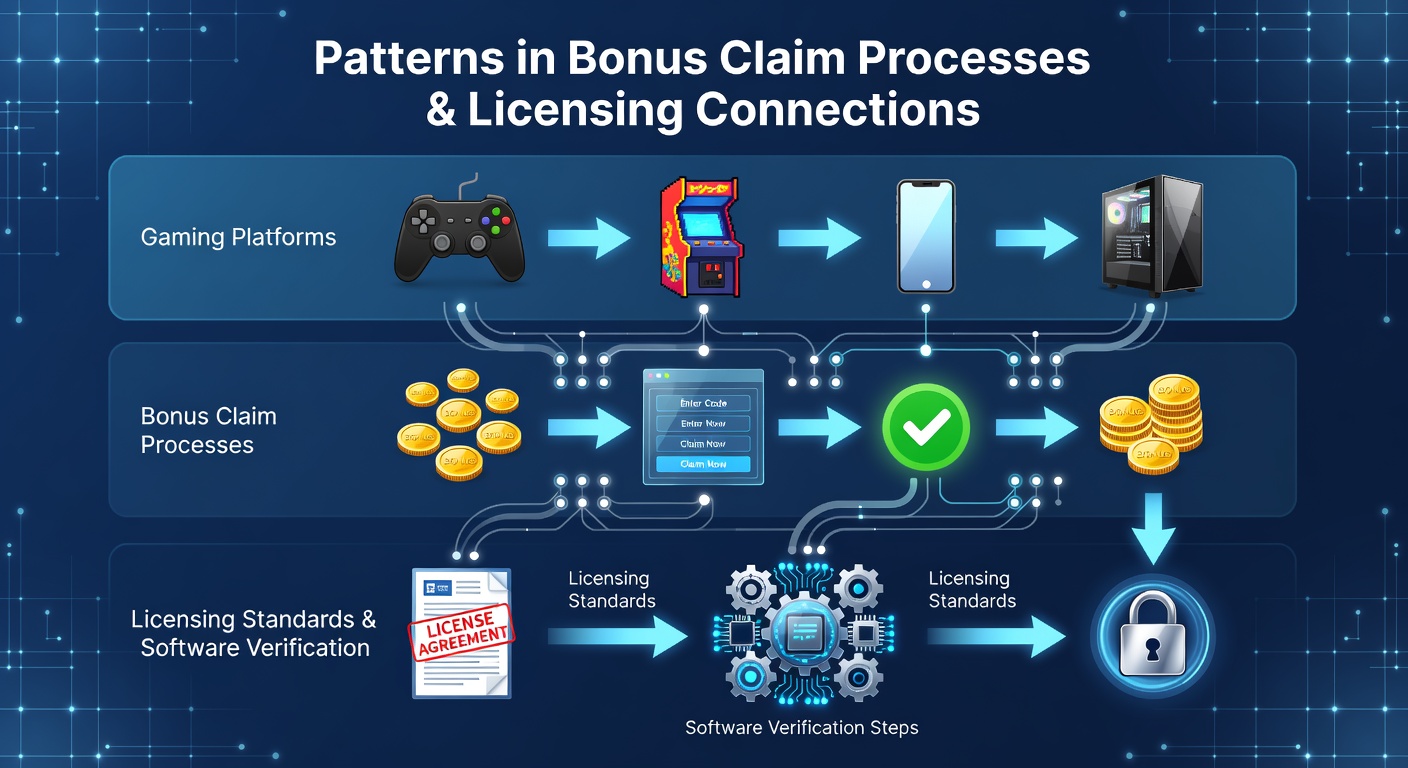
Patterns observed in bonus claim processes across multiple gaming platforms show clear connections to licensing standards and software verification steps, according to data compiled from various regulatory reports. Licensing frameworks require platforms to implement specific verification protocols before any bonus funds become available to users, and these requirements create consistent sequences in how claims move through approval systems. Software checks for identity confirmation, transaction history, and playthrough compliance often follow identical steps regardless of the operator, because each license demands measurable audit trails.
Licensing Requirements Establish Verification Baselines
Regulators in different jurisdictions set minimum thresholds that directly affect bonus processing timelines, and platforms adapt their systems to meet those thresholds without deviation. The Nevada Gaming Control Board outlines technical standards that include real-time monitoring of player accounts, which forces operators to embed verification modules at the point of bonus activation. Similar rules appear in other regions, where authorities require documented proof that bonus eligibility aligns with local player protection measures. These rules produce uniform patterns because non-compliance risks license revocation or operational suspension.
Observers note that platforms holding multiple licenses must maintain separate verification layers for each jurisdiction, yet the core sequence remains comparable across systems. Identity checks occur first, followed by deposit confirmation, then automated review of game eligibility. This order repeats because licensing language specifies sequential validation rather than simultaneous checks. Data from industry audits shows that deviations from this order trigger immediate flags in the software, delaying or blocking the claim until corrections are applied.
Software Verification Steps Mirror Regulatory Mandates
Verification software on licensed platforms performs identical functions tied to license conditions, including age confirmation, geo-location tracking, and transaction logging. These functions run automatically when a player initiates a bonus claim, because the underlying code must satisfy audit requirements set by the licensing body. In June 2026, updated compliance documentation from several North American regulators highlighted that verification timestamps must align with license reporting intervals, creating predictable processing windows visible across different sites.
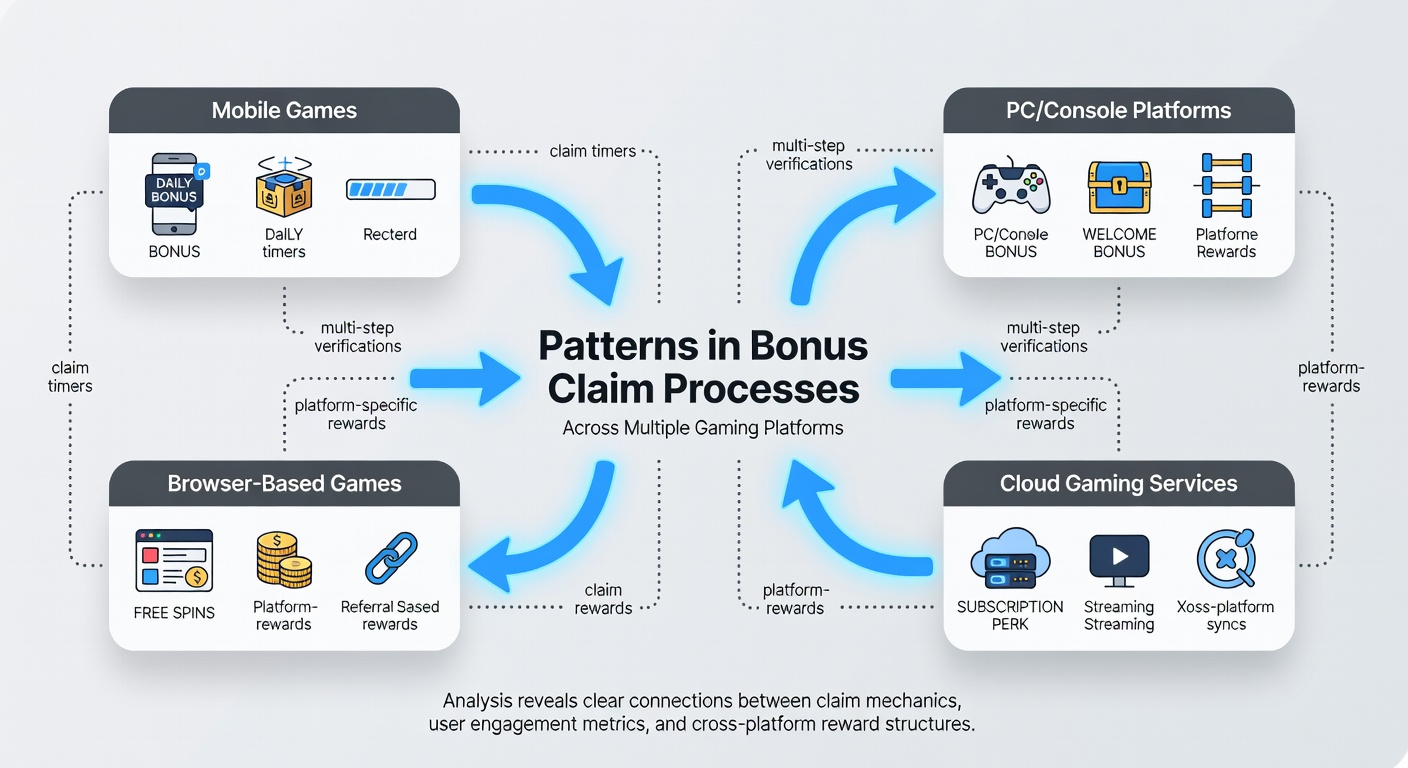
Platforms integrate these steps through standardized APIs that connect directly to regulatory databases in some cases, while others rely on internal logs that regulators can access on demand. The result appears in claim success rates that cluster around specific timeframes, such as immediate approval for fully verified accounts or multi-hour reviews when additional documentation is needed. Research from academic gaming studies indicates that platforms using the same verification vendors produce nearly identical claim patterns, even when operating under different licenses.
Regional Variations Reveal Shared Underlying Structures
Although surface differences exist between jurisdictions, the structural connections between licensing and bonus claims remain consistent. European operators often reference guidelines from the Malta Gaming Authority that require documented proof of responsible gaming checks before bonus release, while Australian platforms follow state-level rules that emphasize transaction verification. Both approaches produce the same observable sequence: license-mandated checks followed by software confirmation before funds credit. A report issued by the International Association of Gaming Regulators documented these parallels across 14 licensed markets, showing that claim denial reasons clustered around the same verification failures regardless of geography.
Platforms that fail to align software with licensing updates experience systematic claim rejections, and these events appear in aggregated industry data as clear spikes during regulatory transition periods. The patterns hold because each license renewal cycle forces operators to recertify their verification tools, resetting the claim process to match new standards. Those who've analyzed platform logs across multiple sites consistently find that bonus claim duration correlates directly with the number of verification layers required by the active license.
Conclusion
The evidence demonstrates that licensing standards dictate the order and depth of software verification applied to bonus claims, creating measurable patterns visible across unrelated platforms. These connections persist because regulatory language specifies verifiable outcomes rather than flexible procedures, and software systems are built to satisfy those exact specifications. Continued monitoring of claim data will likely show the same alignments as new licenses incorporate updated verification requirements.